

When Stress Feels Overwhelming: Healthy Ways to Protect Your Addiction Recovery Journey

Recovery is a life-changing journey filled with hope, growth, and new opportunities. At the same time, it also comes with challenges that require patience and resilience. One of the most common obstacles people face is stress. Whether it comes from work, family responsibilities, financial concerns, or unexpected life events, stress has the potential to affect both emotional well-being and long-term sobriety. The encouraging news is that stress does not have to control your recovery. By learning healthy coping strategies and seeking the right support, you can protect your progress and continue moving toward a healthier, substance-free life.

Why Stress Can Feel So Intense During Recovery

Many individuals entered addiction because substances temporarily masked emotional pain, anxiety, or overwhelming life circumstances. Once those substances are removed, emotions often become more noticeable. This is a normal part of healing, but it also means stress may feel stronger than expected during the early stages of recovery.

The brain and body are adjusting to functioning without alcohol or drugs. During this period, stressful situations may trigger cravings or emotional discomfort. Understanding this process helps individuals recognize that these reactions are part of recovery, not signs of failure.

Stress Affects More Than Your Mood

Stress influences physical health, emotional balance, and decision-making. When stress levels remain high, people may experience:

  • Increased anxiety or irritability
  • Difficulty sleeping
  • Trouble concentrating
  • Fatigue or low motivation
  • Stronger cravings for substances
  • Feelings of isolation or hopelessness

Recognizing these warning signs early allows individuals to respond before stress begins affecting their recovery.

Common Sources of Stress During Recovery

Stress does not always come from major life changes. Often, everyday responsibilities create the greatest emotional burden.

Family and Relationship Challenges

Rebuilding trust with loved ones takes time. Difficult conversations, changing family dynamics, and repairing relationships can create emotional pressure during recovery.

Workplace Responsibilities

Returning to work or managing career expectations can introduce deadlines, performance concerns, and financial pressures that increase stress.

Financial Recovery

Many people entering treatment are also working to rebuild financial stability. Paying bills, managing debt, or finding employment may contribute to ongoing anxiety.

Emotional Healing

Recovery involves addressing emotions that may have been avoided for years. Processing grief, trauma, guilt, or shame is an important part of healing, but it can also feel overwhelming without proper support.

Healthy Ways to Manage Stress Without Turning to Substances

Managing stress is a skill that becomes stronger with practice. Developing healthy coping strategies allows individuals to respond confidently when challenges arise.

Create a Consistent Daily Routine

Structure provides stability during recovery. Establishing regular sleep patterns, eating nutritious meals, exercising consistently, and attending counseling or support meetings can improve emotional balance and reduce stress.

Practice Mindfulness Every Day

Mindfulness encourages people to stay focused on the present instead of becoming overwhelmed by future worries or past mistakes. Meditation, deep breathing exercises, prayer, and quiet reflection help calm the nervous system and improve emotional awareness.

Build a Reliable Support Network

Recovery is strengthened through connection. Trusted family members, counselors, sponsors, peer support groups, and faith communities provide encouragement during difficult moments. Reaching out before stress becomes overwhelming is one of the healthiest choices anyone in recovery can make.

Stay Physically Active

Regular exercise supports both physical and mental health. Walking, swimming, yoga, or strength training can reduce stress hormones while improving mood and energy levels.

Learn to Recognize Personal Triggers

Every individual has unique stress triggers. Keeping a journal, participating in therapy, and practicing self-reflection can help identify situations or emotions that increase relapse risk. Once these triggers are recognized, healthier responses can be developed.

How Professional Treatment Supports Lasting Recovery

Stress management becomes much more effective with professional guidance. At t-mat.net, addiction recovery is approached through personalized treatment that addresses the whole person rather than focusing only on substance use.

Individualized Care Plans

No two recovery journeys are exactly alike. Personalized treatment plans help individuals understand their unique stressors, emotional needs, and recovery goals while providing practical coping strategies that fit their daily lives.

Mental Health Treatment

Many individuals living with addiction also experience anxiety, depression, trauma, or other mental health conditions. Treating these challenges alongside substance use disorders helps reduce emotional distress and supports healthier coping habits.

Inpatient and Outpatient Programs

Whether someone benefits from the structure of inpatient care or the flexibility of outpatient treatment, ongoing professional support helps reinforce healthy habits while providing accountability throughout recovery.

Holistic and Faith-Based Healing

Holistic care recognizes that lasting recovery involves the mind, body, and spirit. Mindfulness practices, wellness activities, counseling, spiritual guidance, and faith-based support work together to promote emotional healing and personal growth.

Building Emotional Resilience for the Future

Stress will always be part of life, but recovery teaches people how to respond differently. Each challenge successfully managed without substances builds confidence and emotional resilience. Over time, healthy coping becomes second nature, allowing individuals to face life’s uncertainties with greater strength and hope.

Recovery is not about living a stress-free life. It is about learning that stress can be managed without sacrificing your health or your sobriety. Every positive choice strengthens your foundation for long-term success.

Take the Next Step Toward Lasting Healing

If stress is making recovery feel more difficult, you do not have to face it alone. Professional support can provide the guidance, structure, and encouragement needed to navigate life’s challenges with confidence. At t-mat.net, compassionate addiction recovery services, integrated mental health treatment, inpatient and outpatient programs, and holistic, faith-based approaches are designed to help individuals build healthier coping skills and achieve lasting sobriety.

Every recovery journey begins with a single step. Reach out today to learn how personalized care can help you manage stress, strengthen resilience, and create a healthier future free from addiction.

Stress in Recovery: How Learning to Cope Can Strengthen Long-Term Sobriety

Stress is a natural part of life, but during addiction recovery, it can feel especially challenging. Learning how to manage stress effectively is one of the most important skills for maintaining long-term sobriety. Recovery is not only about removing substances from your life. It is about building healthier ways to handle emotions, challenges, and unexpected situations without returning to old patterns. When individuals develop strong coping skills, they create a stronger foundation for lasting healing, emotional balance, and personal growth.
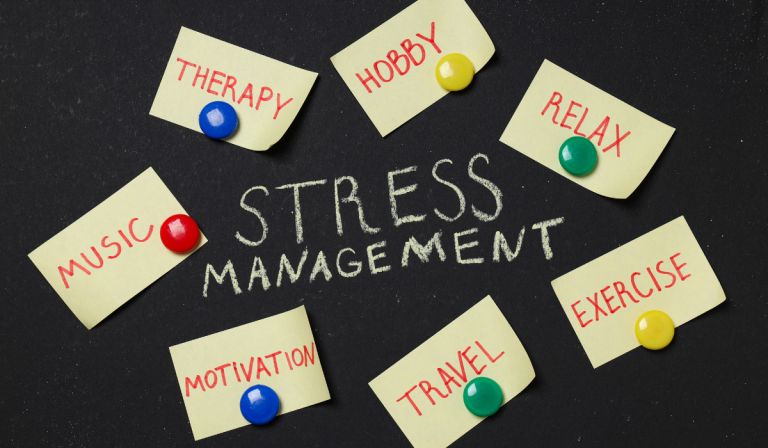
Why Stress Management Matters in Addiction Recovery

Many people struggling with addiction have used substances as a way to escape stress, pain, or difficult emotions. During recovery, those substances are no longer available as a coping tool, which makes learning new strategies essential.

Stress can affect the brain, emotions, and behaviors. When stress becomes overwhelming, it may increase cravings, create feelings of hopelessness, or make recovery feel more difficult. However, with the right support and tools, stress can become something that is managed rather than something that controls your recovery journey.

The Connection Between Stress and Relapse Prevention

Stress is one of the most common factors associated with relapse. This does not mean that experiencing stress will automatically lead to setbacks. Instead, unmanaged stress can increase vulnerability by affecting decision-making and emotional regulation.

When individuals learn to recognize stress early and respond in healthy ways, they become better prepared to handle difficult moments. This is a key part of relapse prevention and long-term recovery success.

Understanding Everyday Stressors in Recovery

Stress does not always come from major life events. Often, small daily pressures can build over time and create emotional strain.

Common Sources of Stress

Some common stressors that may affect recovery include:

  • Workplace responsibilities and pressure
  • Family or relationship challenges
  • Financial concerns
  • Changes in daily routines
  • Feelings of loneliness or isolation
  • Unresolved emotional pain

Recognizing these stressors is the first step toward managing them. Awareness allows individuals to prepare instead of reacting impulsively.

The Importance of Recognizing Triggers

Stress and triggers are closely connected. A stressful situation may activate thoughts, emotions, or memories connected to past substance use. Understanding personal triggers helps individuals create healthier responses and protect their sobriety.

Building Healthy Coping Skills for Long-Term Sobriety

Coping skills are the tools that help individuals manage difficult emotions and situations. They provide alternatives to substance use and support emotional strength.

Practice Mindfulness and Emotional Awareness

Mindfulness helps individuals stay connected to the present moment instead of becoming overwhelmed by stressful thoughts. Breathing exercises, meditation, and reflective practices can help reduce anxiety and improve emotional control.

Create a Healthy Routine

A consistent routine provides stability during recovery. Regular sleep, nutritious meals, exercise, and recovery-focused activities support both physical and emotional well-being.

Stay Connected With Support Systems

Recovery is stronger with connection. Support from counselors, peers, family members, and faith communities provides encouragement during challenging times. Having trusted people to turn to can make stressful situations feel more manageable.

Learn Healthy Ways to Express Emotions

Bottling up emotions can increase stress. Therapy, journaling, creative activities, and honest conversations can help individuals process feelings in productive ways.

How Professional Treatment Supports Stress Management

Managing stress is not something individuals have to figure out alone. Professional addiction recovery programs provide guidance, structure, and support to help individuals develop effective coping strategies.

At t-mat.net, recovery services focus on personalized care that addresses both addiction and mental health needs. Through inpatient and outpatient treatment options, individuals receive support designed around their unique experiences, challenges, and recovery goals.

Individualized Treatment Approaches

Every person’s recovery journey is different. Individualized treatment helps identify specific stress patterns, emotional challenges, and recovery needs. This allows care to focus on the whole person rather than only the addiction.

Holistic and Faith-Based Support

Healing involves more than overcoming substance use. Holistic approaches support emotional, physical, and spiritual well-being. Practices such as mindfulness, reflection, and wellness activities can help individuals build resilience. Faith-based support can also provide purpose, hope, and connection throughout recovery.

Turning Stress Into an Opportunity for Growth

Stress will always be part of life, but recovery teaches individuals that they can respond differently. Each challenge becomes an opportunity to practice patience, self-awareness, and resilience.

Learning to cope with stress strengthens confidence and reinforces the belief that difficult emotions can be managed without substances. Over time, these skills create a healthier lifestyle and a more stable recovery foundation.

Take the Next Step Toward Lasting Recovery

Managing stress is an essential part of building long-term sobriety. With the right tools, support, and professional guidance, individuals can learn to face challenges without returning to unhealthy coping patterns.

If you or a loved one is seeking addiction recovery support, t-mat.net offers compassionate addiction treatment, mental health care, inpatient and outpatient programs, and individualized approaches designed to support lasting healing. Reaching out for help can be the first step toward developing stronger coping skills, greater resilience, and a healthier future in recovery.

Building Emotional Strength: Why Stress Management Is Essential in Healing

Emotional strength is one of the most important foundations in addiction recovery and mental health healing. It is not something people are born with. It is something developed over time through awareness, practice, and support. One of the biggest influences on emotional strength is stress management. When stress is handled effectively, recovery becomes more stable, more sustainable, and less vulnerable to relapse. When it is not, even small challenges can feel overwhelming and disruptive.

In healing from addiction, stress is not just a discomfort. It is a powerful trigger that can influence thoughts, emotions, and behaviors. Learning how to manage it is essential for long-term sobriety and emotional stability.

Why Stress Management Matters in Emotional Healing

Stress affects both the mind and body. It can disrupt sleep, increase anxiety, and make emotional regulation more difficult. For individuals in recovery, this can be especially challenging because the brain is still adjusting to functioning without substances.

The Link Between Stress and Emotional Instability

When stress levels rise, the body releases hormones that prepare it for fight or flight. While this response is natural, it can also create emotional overload. In recovery, this may lead to irritability, restlessness, cravings, or difficulty concentrating. Over time, unmanaged stress can weaken emotional resilience and make healing more difficult.

Everyday Stress Can Have a Big Impact

It is not only major life events that create stress. Daily pressures such as work demands, relationship conflict, financial strain, or lack of rest can accumulate quietly. Without healthy coping strategies, these small stressors can build into emotional exhaustion and reduce stability in recovery.

Emotional Strength and Its Role in Recovery

Emotional strength is the ability to face challenges without becoming overwhelmed or turning to unhealthy coping mechanisms. It involves awareness, regulation, and resilience. In addiction recovery, emotional strength is essential for maintaining sobriety and navigating life’s difficulties.

How Emotional Strength Develops Over Time

Emotional strength is not immediate. It is built through repeated practice and support. Each time a person successfully manages stress or responds to a trigger in a healthy way, they strengthen their ability to handle future challenges. Over time, this creates confidence and stability.

The Importance of Mental Health Support

Many individuals in recovery also experience mental health conditions such as anxiety, depression, or trauma. These conditions can make emotional regulation more difficult. Integrated mental health treatment helps individuals understand their emotional patterns and build stronger coping skills.

How Stress Impacts Addiction Recovery

Stress is one of the most common relapse triggers. It can influence decision-making and increase cravings, especially when emotional coping skills are still developing.

At t-mat.net, addiction recovery services are designed to address these challenges through personalized care. With both inpatient and outpatient treatment options, individuals receive structured support that focuses on emotional healing and long-term stability.

Stress and Cravings

When stress increases, the brain may recall past coping behaviors associated with substance use. This can lead to cravings or urges to return to familiar patterns. Without support, these moments can feel intense and difficult to manage.

Stress and Isolation

Stress often causes people to withdraw from others. This isolation can reduce access to support systems and increase emotional vulnerability. Connection is a critical part of recovery, and losing it can make stress harder to manage.

Effective Stress Management Strategies for Healing

Developing emotional strength requires consistent stress management practices. These strategies help build resilience and support long-term recovery.

Build Awareness of Stress Triggers

Understanding what causes stress is the first step in managing it. Journaling, therapy sessions, and mindfulness practices can help identify patterns and early warning signs.

Practice Mindfulness and Grounding Techniques

Simple practices such as deep breathing, meditation, and grounding exercises help calm the nervous system. These tools create space between emotional triggers and reactions.

Establish Healthy Daily Routines

Structure provides stability. Regular sleep, balanced nutrition, physical activity, and consistent recovery practices help regulate mood and reduce stress levels.

Strengthen Support Systems

Recovery is strengthened through connection. Support from counselors, peer groups, family, or faith communities provides encouragement and accountability during stressful times.

Engage in Holistic Healing Practices

Holistic approaches such as meditation, prayer, exercise, and reflective practices support emotional balance. These methods help individuals reconnect with themselves and reduce emotional tension.

How Treatment Supports Emotional Strength

Professional treatment plays a key role in developing stress management skills. Through individualized care, individuals learn how to respond to stress in healthier ways.

At t-mat.net, treatment options include holistic, faith-based, and personalized approaches that support the whole person. Inpatient programs provide structure and stability, while outpatient care helps individuals apply new skills in real-life situations.

Building Long-Term Emotional Resilience

Emotional resilience is the ability to recover from stress without returning to harmful behaviors. It is built through consistent practice, support, and self-awareness. As resilience grows, individuals gain more confidence in their ability to manage life’s challenges while maintaining sobriety.

Healing is not about avoiding stress. It is about learning how to respond to it in a healthy and sustainable way.

Take the Next Step Toward Healing

If you or a loved one is struggling with addiction or emotional stress in recovery, support is available. Professional care can help build emotional strength and provide the tools needed for long-term stability. Contact t-mat.net to learn more about their addiction recovery services, mental health treatment, and holistic care options. With compassionate and individualized support, lasting healing is possible.

How Everyday Stress Can Challenge Your Recovery and What to Do About It

Recovery from addiction is a journey of growth, healing, and self-discovery. While many people expect major life events to test their sobriety, it is often everyday stress that presents the greatest challenge. Traffic jams, work deadlines, financial concerns, family responsibilities, and relationship conflicts may seem manageable on their own. However, when these pressures accumulate, they can affect emotional well-being, increase cravings, and place recovery at risk.

Understanding how everyday stress impacts addiction recovery is an important step toward maintaining long-term sobriety. By recognizing stress early and developing healthy coping strategies, individuals can protect their recovery and continue moving forward with confidence.

Why Everyday Stress Matters in Recovery

Stress is a normal part of life. The problem is not the presence of stress itself but how it is managed. During active addiction, many people relied on substances to numb uncomfortable emotions or escape difficult situations. In recovery, those substances are no longer available as coping mechanisms, which means learning new ways to respond to stress becomes essential.

The Brain and Stress Response

When stress occurs, the body releases hormones such as cortisol and adrenaline. These chemicals prepare the body to respond to challenges, but they can also increase anxiety, irritability, and emotional discomfort. For individuals in recovery, heightened stress can trigger cravings and make healthy decision-making more difficult.

Small Stressors Can Create Big Problems

Many people focus on avoiding major triggers while overlooking daily frustrations. Unfortunately, stress often works like a slow leak rather than a sudden flood. Small challenges can build over time, leading to emotional exhaustion and increasing vulnerability to relapse.

Common Sources of Everyday Stress

Stress affects everyone differently, but several challenges commonly impact individuals in recovery.

Work and Career Pressures

Meeting deadlines, managing responsibilities, or dealing with workplace conflict can create significant emotional strain. Job-related stress often follows people home, making it difficult to relax and recharge.

Financial Concerns

Recovery frequently involves rebuilding financial stability. Debt, unexpected expenses, or employment challenges can contribute to ongoing worry and uncertainty.

Relationship Challenges

Healthy relationships are important for recovery, but they can also be a source of stress. Rebuilding trust, improving communication, and navigating family dynamics require patience and emotional effort.

Mental Health Struggles

Many individuals in recovery also experience anxiety, depression, trauma, or other mental health conditions. These challenges can intensify stress and make it harder to cope with everyday pressures.

How Stress Can Increase Relapse Risk

Stress does not automatically lead to relapse, but it can create conditions that make relapse more likely.

Emotional Overload

When stress becomes overwhelming, people may feel emotionally drained or discouraged. This can weaken motivation and make old coping habits seem more appealing.

Increased Cravings

Stress can activate brain pathways associated with substance use. As a result, cravings may become more frequent or intense during difficult periods.

Isolation and Withdrawal

Many people respond to stress by pulling away from others. Unfortunately, isolation often removes important sources of support and accountability, increasing vulnerability during recovery.

Effective Strategies for Managing Stress in Recovery

The good news is that stress can be managed. Developing healthy coping skills helps strengthen resilience and supports long-term sobriety.

Create a Consistent Routine

A structured daily schedule provides stability and reduces uncertainty. Regular sleep, balanced nutrition, exercise, and recovery activities help create a strong foundation for emotional well-being.

Practice Mindfulness

Mindfulness encourages individuals to focus on the present moment rather than becoming overwhelmed by future worries or past regrets. Deep breathing exercises, meditation, and prayer can help calm the mind and reduce stress levels.

Stay Connected to Support

Recovery is not meant to be a solitary journey. Support groups, counselors, family members, and trusted friends provide encouragement and perspective during challenging times.

Address Problems Early

Ignoring stress rarely makes it disappear. Taking proactive steps to address concerns before they grow larger can prevent emotional overload and reduce relapse risk.

Prioritize Mental Health Care

Professional mental health treatment can help individuals understand emotional triggers, improve coping skills, and manage co-occurring conditions that contribute to stress.

The Value of Holistic and Individualized Care

At t-mat.net, recovery is approached through comprehensive, individualized care that addresses the unique needs of each person. Addiction and mental health challenges are often closely connected, which is why effective treatment focuses on the whole person rather than symptoms alone.

Holistic therapies, faith-based support, counseling, and evidence-based treatment strategies work together to help individuals develop healthier responses to stress. Whether through inpatient or outpatient care, personalized treatment plans provide the tools needed to navigate life’s challenges while maintaining sobriety.

Building a Stronger Recovery Future

Stress is unavoidable, but relapse is not. Learning how to manage everyday stress effectively is one of the most important investments a person can make in their recovery. Each healthy choice, coping skill, and supportive connection strengthens resilience and builds confidence for the future.

If you or a loved one is struggling with addiction or finding it difficult to manage stress during recovery, professional help is available. The compassionate team at t-mat.net offers addiction recovery services, mental health treatment, inpatient and outpatient care, and holistic support designed to help individuals achieve lasting healing. Reaching out for help today can be the first step toward a healthier, more stable tomorrow.