
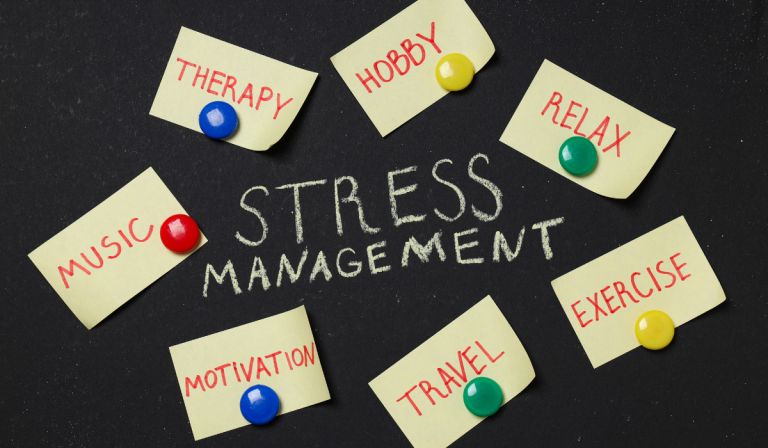
 Emotional strength is one of the most important foundations in addiction recovery and mental health healing. It is not something people are born with. It is something developed over time through awareness, practice, and support. One of the biggest influences on emotional strength is stress management. When stress is handled effectively, recovery becomes more stable, more sustainable, and less vulnerable to relapse. When it is not, even small challenges can feel overwhelming and disruptive.
In healing from addiction, stress is not just a discomfort. It is a powerful trigger that can influence thoughts, emotions, and behaviors. Learning how to manage it is essential for long-term sobriety and emotional stability.
Why Stress Management Matters in Emotional Healing
Stress affects both the mind and body. It can disrupt sleep, increase anxiety, and make emotional regulation more difficult. For individuals in recovery, this can be especially challenging because the brain is still adjusting to functioning without substances.
The Link Between Stress and Emotional Instability
When stress levels rise, the body releases hormones that prepare it for fight or flight. While this response is natural, it can also create emotional overload. In recovery, this may lead to irritability, restlessness, cravings, or difficulty concentrating. Over time, unmanaged stress can weaken emotional resilience and make healing more difficult.
Everyday Stress Can Have a Big Impact
It is not only major life events that create stress. Daily pressures such as work demands, relationship conflict, financial strain, or lack of rest can accumulate quietly. Without healthy coping strategies, these small stressors can build into emotional exhaustion and reduce stability in recovery.
Emotional Strength and Its Role in Recovery
Emotional strength is the ability to face challenges without becoming overwhelmed or turning to unhealthy coping mechanisms. It involves awareness, regulation, and resilience. In addiction recovery, emotional strength is essential for maintaining sobriety and navigating life’s difficulties.
How Emotional Strength Develops Over Time
Emotional strength is not immediate. It is built through repeated practice and support. Each time a person successfully manages stress or responds to a trigger in a healthy way, they strengthen their ability to handle future challenges. Over time, this creates confidence and stability.
The Importance of Mental Health Support
Many individuals in recovery also experience mental health conditions such as anxiety, depression, or trauma. These conditions can make emotional regulation more difficult. Integrated mental health treatment helps individuals understand their emotional patterns and build stronger coping skills.
How Stress Impacts Addiction Recovery
Stress is one of the most common relapse triggers. It can influence decision-making and increase cravings, especially when emotional coping skills are still developing.
At t-mat.net, addiction recovery services are designed to address these challenges through personalized care. With both inpatient and outpatient treatment options, individuals receive structured support that focuses on emotional healing and long-term stability.
Stress and Cravings
When stress increases, the brain may recall past coping behaviors associated with substance use. This can lead to cravings or urges to return to familiar patterns. Without support, these moments can feel intense and difficult to manage.
Stress and Isolation
Stress often causes people to withdraw from others. This isolation can reduce access to support systems and increase emotional vulnerability. Connection is a critical part of recovery, and losing it can make stress harder to manage.
Effective Stress Management Strategies for Healing
Developing emotional strength requires consistent stress management practices. These strategies help build resilience and support long-term recovery.
Build Awareness of Stress Triggers
Understanding what causes stress is the first step in managing it. Journaling, therapy sessions, and mindfulness practices can help identify patterns and early warning signs.
Practice Mindfulness and Grounding Techniques
Simple practices such as deep breathing, meditation, and grounding exercises help calm the nervous system. These tools create space between emotional triggers and reactions.
Establish Healthy Daily Routines
Structure provides stability. Regular sleep, balanced nutrition, physical activity, and consistent recovery practices help regulate mood and reduce stress levels.
Strengthen Support Systems
Recovery is strengthened through connection. Support from counselors, peer groups, family, or faith communities provides encouragement and accountability during stressful times.
Engage in Holistic Healing Practices
Holistic approaches such as meditation, prayer, exercise, and reflective practices support emotional balance. These methods help individuals reconnect with themselves and reduce emotional tension.
How Treatment Supports Emotional Strength
Professional treatment plays a key role in developing stress management skills. Through individualized care, individuals learn how to respond to stress in healthier ways.
At t-mat.net, treatment options include holistic, faith-based, and personalized approaches that support the whole person. Inpatient programs provide structure and stability, while outpatient care helps individuals apply new skills in real-life situations.
Building Long-Term Emotional Resilience
Emotional resilience is the ability to recover from stress without returning to harmful behaviors. It is built through consistent practice, support, and self-awareness. As resilience grows, individuals gain more confidence in their ability to manage life’s challenges while maintaining sobriety.
Healing is not about avoiding stress. It is about learning how to respond to it in a healthy and sustainable way.
Take the Next Step Toward Healing
If you or a loved one is struggling with addiction or emotional stress in recovery, support is available. Professional care can help build emotional strength and provide the tools needed for long-term stability. Contact t-mat.net to learn more about their addiction recovery services, mental health treatment, and holistic care options. With compassionate and individualized support, lasting healing is possible.