
 Recovery from addiction is one of the most meaningful journeys a person can take, but it is not without challenges. Every day brings opportunities to strengthen healthy habits, rebuild relationships, and create a life free from substance use. However, one obstacle that often goes unnoticed is chronic stress. Unlike temporary stress that comes and goes, chronic stress lingers for weeks or even months, gradually affecting both physical and emotional health. If left unmanaged, it can weaken coping skills, increase cravings, and make recovery feel much more difficult.
The encouraging news is that chronic stress does not have to control your future. With the right support, practical coping strategies, and individualized treatment, you can learn to manage stress in healthy ways while building the resilience needed for lasting addiction recovery.
Understanding the Link Between Chronic Stress and Addiction
Stress is a natural part of life. The body is designed to respond to challenges by releasing hormones that increase focus and energy. Once the stressful situation passes, the body normally returns to a balanced state.
Chronic stress is different. It keeps the body in a prolonged state of alertness, making it harder to relax, think clearly, and regulate emotions. For someone recovering from addiction, this ongoing pressure can become a significant risk factor for relapse.
Many individuals previously used alcohol or drugs to temporarily escape emotional pain or overwhelming situations. During recovery, healthier coping skills replace those behaviors. If stress remains unmanaged, old patterns may begin to feel familiar again.
How Chronic Stress Can Affect Recovery
Stress influences nearly every aspect of recovery. Understanding its effects can help individuals recognize warning signs before they become serious obstacles.
Emotional Well-Being May Decline
Persistent stress often contributes to emotional exhaustion. Individuals may experience:
- Increased anxiety
- Irritability
- Depression
- Mood swings
- Difficulty concentrating
- Feelings of hopelessness
These emotional changes can reduce motivation and make daily recovery practices more difficult to maintain.
Physical Health Can Suffer
Chronic stress also affects the body. It may contribute to poor sleep, headaches, muscle tension, digestive issues, fatigue, and weakened immunity. Physical discomfort often makes emotional challenges feel even more overwhelming.
Healthy Routines May Begin to Slip
Stress can gradually interfere with healthy habits that support sobriety. Individuals may skip counseling appointments, stop attending support groups, neglect exercise, or isolate themselves from loved ones. These small changes can slowly weaken the recovery foundation.
Common Sources of Chronic Stress During Recovery
Not every stressful event is dramatic. Often, everyday responsibilities create the greatest emotional burden over time.
Financial Responsibilities
Rebuilding financial stability after addiction may involve finding employment, managing debt, or creating a new budget. These responsibilities can create ongoing pressure.
Family and Relationship Healing
Repairing trust with family members takes patience and consistent effort. Difficult conversations and changing family roles may create emotional stress during recovery.
Work and Career Demands
Returning to work or pursuing new career opportunities can introduce deadlines, performance expectations, and workplace responsibilities that require healthy stress management.
Mental Health Challenges
Many people entering addiction treatment also experience anxiety, depression, trauma, or other mental health conditions. Without integrated treatment, these challenges can increase stress and complicate recovery.
Recognizing the Warning Signs Early
One of the best ways to protect recovery is to recognize stress before it becomes overwhelming.
Emotional Warning Signs
Pay attention to changes such as:
- Feeling constantly overwhelmed
- Losing interest in enjoyable activities
- Becoming easily frustrated
- Increased worry or fear
- Difficulty managing emotions
Behavioral Warning Signs
Stress may also appear through behaviors, including:
- Avoiding support meetings
- Withdrawing from family or friends
- Neglecting self-care
- Increased cravings
- Difficulty maintaining healthy routines
Early awareness creates an opportunity to respond with healthy coping strategies instead of unhealthy reactions.
Healthy Ways to Stay Strong During Stressful Times
Managing stress is not about eliminating every challenge. It is about responding to those challenges in healthier ways.
Maintain a Consistent Daily Routine
Structure helps reduce uncertainty. Regular sleep, balanced meals, physical activity, counseling sessions, and recovery meetings provide stability that supports emotional well-being.
Practice Mindfulness
Mindfulness helps individuals remain focused on the present instead of becoming consumed by future worries or past mistakes. Meditation, deep breathing exercises, prayer, and quiet reflection can reduce emotional tension while improving self-awareness.
Build a Reliable Support System
Recovery is stronger when people stay connected. Family members, therapists, peer support groups, sponsors, and faith communities provide encouragement, accountability, and practical guidance during difficult moments.
Prioritize Physical Wellness
Healthy nutrition, regular exercise, hydration, and sufficient sleep all improve the body’s ability to handle stress. Physical wellness directly supports emotional resilience.
Develop Healthy Problem Solving Skills
Breaking larger problems into manageable steps helps reduce feelings of overwhelm. Rather than avoiding stressful situations, individuals learn to address challenges with confidence and patience.
How Professional Treatment Supports Lasting Recovery
Managing chronic stress becomes much easier with compassionate professional care. At t-mat.net, treatment focuses on helping individuals heal physically, emotionally, mentally, and spiritually through personalized recovery plans.
Individualized Addiction Treatment
Every recovery journey is unique. Personalized treatment plans identify personal stressors, recovery goals, and emotional challenges while teaching practical coping strategies that fit each individual’s lifestyle.
Integrated Mental Health Care
Treating addiction alongside anxiety, depression, trauma, or other co-occurring conditions creates a stronger foundation for recovery. Addressing mental health needs reduces emotional distress while improving long-term stability.
Inpatient and Outpatient Care
Whether someone benefits from the immersive support of inpatient treatment or the flexibility of outpatient care, both programs provide evidence-based therapies, professional guidance, and ongoing accountability.
Holistic and Faith-Based Healing
Healing extends beyond overcoming substance use. Holistic therapies support the mind, body, and spirit through wellness practices, physical activity, mindfulness, nutritional guidance, and spiritual care. Faith-based support can also offer hope, encouragement, and renewed purpose throughout recovery.
Building Resilience One Day at a Time
Resilience is not something people are born with. It develops through daily choices, healthy habits, and a willingness to keep moving forward despite life’s challenges. Every stressful situation successfully managed without returning to substances strengthens confidence and reinforces recovery.
Over time, healthy coping becomes second nature. Individuals learn they are capable of facing uncertainty with courage instead of fear, creating a stronger and more fulfilling future.
Take the Next Step Toward Lifelong Recovery
If chronic stress is making recovery feel more difficult, you do not have to face those challenges alone. Professional support can help you understand your triggers, strengthen healthy coping skills, and build lasting resilience.
At t-mat.net, compassionate addiction recovery services, integrated mental health treatment, inpatient and outpatient programs, and holistic, faith-based approaches are designed to support every stage of healing. Reach out today to discover how personalized care can help you manage chronic stress, protect your sobriety, and build a healthier future filled with confidence, purpose, and lasting hope.
 Recovery is about much more than putting substances behind you. It is about creating a healthier life that supports emotional well-being, mental clarity, and lasting personal growth. One of the most important skills in that process is learning how to manage stress. While stress is a normal part of life, it can become a significant barrier to recovery when it is ignored or handled in unhealthy ways. By developing effective stress management skills, individuals can reduce the risk of relapse, strengthen their mental health, and build a solid foundation for lifelong sobriety.
 Recovery is built one day at a time, and every healthy choice contributes to a stronger future. While many people entering addiction treatment understand the importance of avoiding drugs or alcohol, they may not realize that managing stress is equally important. Stress often develops quietly through everyday challenges, gradually affecting thoughts, emotions, and behaviors. When left unchecked, it can activate old coping patterns and increase the risk of relapse.
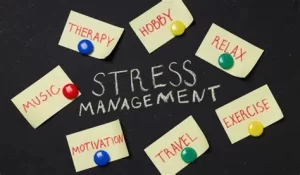 Healing from addiction involves much more than achieving sobriety. It is a lifelong process of learning healthier ways to think, respond, and grow through life’s challenges. One of the most important skills developed during recovery is stress management. While stress is a normal part of everyday life, it can become a powerful obstacle when left unmanaged. It can increase cravings, affect emotional well-being, and make it more difficult to stay committed to recovery. Fortunately, effective stress management helps individuals build resilience, strengthen emotional health, and create a solid foundation for lasting sobriety.