
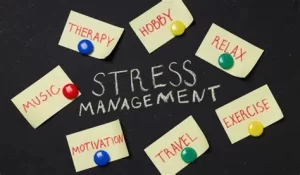
 Healing from addiction involves much more than achieving sobriety. It is a lifelong process of learning healthier ways to think, respond, and grow through life’s challenges. One of the most important skills developed during recovery is stress management. While stress is a normal part of everyday life, it can become a powerful obstacle when left unmanaged. It can increase cravings, affect emotional well-being, and make it more difficult to stay committed to recovery. Fortunately, effective stress management helps individuals build resilience, strengthen emotional health, and create a solid foundation for lasting sobriety.
Whether someone is beginning treatment or continuing their recovery journey, understanding the relationship between stress and addiction is an essential step toward long-term healing.
Why Stress Management Is Essential in Addiction Recovery
Stress affects everyone differently, but it has a unique impact on individuals recovering from substance use disorders. During active addiction, many people relied on drugs or alcohol to escape difficult emotions or temporarily relieve pressure. Recovery removes that unhealthy coping mechanism, making it necessary to develop healthier alternatives.
Learning how to respond to stress instead of reacting to it can reduce relapse risk and improve overall quality of life.
How Stress Affects the Brain
Stress activates the body’s natural survival response by releasing hormones such as cortisol and adrenaline. While this response is helpful during emergencies, chronic stress can interfere with emotional regulation, decision making, and impulse control.
For someone in recovery, prolonged stress may increase cravings or trigger memories associated with substance use. Recognizing these effects makes it easier to respond with healthy coping strategies rather than returning to harmful habits.
Everyday Stress Can Be Just as Challenging
Major life events certainly create stress, but daily frustrations often have an even greater impact over time. Busy schedules, relationship conflicts, financial concerns, lack of sleep, or workplace pressure can slowly wear down emotional resilience if they are not addressed.
Building awareness of these everyday stressors allows individuals to take action before they become overwhelming.
The Connection Between Stress and Resilience
Resilience is the ability to adapt, recover, and continue moving forward after facing challenges. It is not about avoiding stress altogether. Instead, resilience grows through learning healthy ways to manage stress and recover from difficult experiences.
Emotional Strength Develops Through Practice
Every time someone chooses a healthy response instead of turning to substances, emotional resilience becomes stronger. Recovery provides countless opportunities to practice patience, self-awareness, and problem solving.
Over time, these repeated choices help individuals gain confidence in their ability to overcome future obstacles.
Healthy Coping Creates Lasting Change
Building resilience involves replacing unhealthy coping habits with positive behaviors that support emotional and physical well-being. These habits become valuable tools throughout every stage of recovery.
Practical Stress Management Strategies
Managing stress requires consistency rather than perfection. Small, healthy habits practiced daily often have the greatest long-term impact.
Develop a Structured Daily Routine
Consistent routines provide stability during recovery. Regular sleep schedules, nutritious meals, exercise, counseling appointments, and recovery meetings help reduce uncertainty and improve emotional balance.
Practice Mindfulness and Relaxation
Mindfulness helps individuals stay present instead of becoming overwhelmed by future worries or past regrets. Deep breathing, meditation, prayer, and quiet reflection help calm the nervous system while improving emotional awareness.
Stay Connected With Supportive People
Strong relationships play a vital role in recovery. Family members, trusted friends, counselors, sponsors, and peer support groups provide encouragement, accountability, and perspective during stressful situations.
Prioritize Physical Wellness
Physical health and emotional health are closely connected. Regular exercise, hydration, balanced nutrition, and quality sleep improve the body’s ability to respond to stress while supporting recovery.
Recognize Triggers Early
Understanding personal stress triggers helps individuals prepare for difficult situations before they become overwhelming. Journaling, therapy, and honest self-reflection make it easier to identify patterns and develop healthier responses.
How Professional Treatment Strengthens Stress Management Skills
Professional addiction treatment provides the guidance and structure needed to build effective coping strategies. At t-mat.net, recovery is approached through compassionate, individualized care that recognizes each person’s unique experiences and goals.
Personalized Treatment Plans
Every recovery journey is different. Individualized treatment plans focus on identifying emotional triggers, improving coping skills, and addressing the underlying causes of addiction.
Integrated Mental Health Care
Many people recovering from addiction also experience anxiety, depression, trauma, or other mental health conditions. Treating these challenges alongside substance use disorders helps reduce stress while improving emotional stability and overall well-being.
Inpatient and Outpatient Programs
Some individuals benefit from the structured environment of inpatient care, while others thrive through flexible outpatient treatment. Both options provide ongoing support, therapeutic guidance, and practical tools for managing stress in everyday life.
Holistic and Faith Based Healing
Healing extends beyond physical sobriety. Holistic therapies encourage balance between the mind, body, and spirit through wellness practices, mindfulness, nutrition, and physical activity. Faith based support can also provide hope, purpose, and a deeper sense of connection throughout the recovery journey.
Building a Stronger Future Through Resilience
Recovery is filled with moments that test emotional strength, but each challenge also presents an opportunity for growth. Stress no longer has to be viewed as an obstacle that threatens sobriety. Instead, it can become a reminder to pause, use healthy coping skills, and lean on trusted support systems.
With time and consistent practice, resilience becomes stronger. Individuals gain greater confidence in their ability to face life’s challenges without returning to substance use. This emotional growth is one of the greatest rewards of recovery.
Take the Next Step Toward Lasting Healing
Managing stress is one of the most valuable investments you can make in your recovery. If you or someone you love is seeking support for addiction or co-occurring mental health challenges, compassionate professional care can make a meaningful difference.
At t-mat.net, individualized addiction recovery services, integrated mental health treatment, inpatient and outpatient programs, and holistic, faith-based approaches work together to support lasting healing. Reach out today to learn how personalized care can help you build resilience, strengthen emotional well-being, and create a healthier future grounded in long-term sobriety.