
 Emotional health is a critical foundation for lasting addiction recovery. Stress, unresolved trauma, and unaddressed mental health challenges can all create barriers to maintaining sobriety. Recovery is not just about stopping substance use; it is about learning to navigate emotions, cope with stress, and build a life that supports mental and physical well-being. By addressing emotional health proactively, individuals can strengthen resilience and create a sustainable path to recovery.
Understanding the Role of Stress and Trauma in Recovery
Stress and trauma affect the brain and body in ways that can influence cravings, decision-making, and emotional regulation. For many individuals in recovery, past experiences of trauma or chronic stress can resurface, triggering anxiety, depression, or impulses to use substances as a coping mechanism. Recognizing the connection between emotional health and recovery is essential for long-term success.
Daily stressors, such as work pressure, relationship challenges, or financial concerns, can also create emotional strain. Without effective coping strategies, these stressors may lead to relapse. Addressing both past trauma and present stress is a key component of sustainable recovery.
How Recovery Programs Support Emotional Health
At t-mat.net, addiction recovery services are designed to address emotional health holistically. Both inpatient and outpatient programs provide individualized care that supports mental, emotional, and spiritual well-being. Key elements of these programs include:
Holistic and Faith-Based Approaches
Holistic care considers the whole person, integrating the mind, body, and spirit. Practices such as meditation, yoga, and mindfulness help reduce stress, enhance emotional regulation, and build resilience. Faith-based programs provide additional support, offering a sense of purpose and community that reinforces recovery goals.
Individualized Treatment Plans
Each person’s recovery journey is unique. Personalized treatment plans ensure that emotional health needs are addressed alongside addiction treatment. Therapy, counseling, and life skills coaching equip individuals with practical tools to manage stress and navigate emotional challenges effectively.
Integrated Mental Health Care
Many individuals in recovery experience co-occurring mental health conditions such as anxiety, depression, or post-traumatic stress disorder. Integrated treatment ensures these conditions are addressed alongside addiction, reducing the risk of relapse and supporting emotional stability.
Practical Strategies to Balance Emotional Health
While professional treatment provides structured support, there are practical steps individuals can take to maintain emotional balance:
-
Develop Mindfulness Practices: Daily meditation or breathing exercises can help calm the mind and reduce the intensity of stress reactions.
-
Establish Healthy Routines: Consistent sleep, exercise, and nutrition provide a stable foundation for emotional regulation.
-
Build Support Networks: Connecting with counselors, peer groups, family, or faith communities reduces isolation and provides encouragement.
-
Process Trauma Safely: Therapy sessions and support groups offer safe spaces to explore past experiences and develop healthy coping strategies.
-
Engage in Meaningful Activities: Hobbies, volunteering, or creative outlets foster purpose and emotional fulfillment.
Why Emotional Health Is Central to Sustainable Recovery
Recovery is more than abstinence; it is the ability to thrive emotionally, mentally, and socially. By addressing stress and trauma proactively, individuals gain the tools to respond to challenges without reverting to harmful coping behaviors. Emotional health supports resilience, reduces the risk of relapse, and enhances overall quality of life.
Taking the Next Step
Emotional health is a vital pillar of recovery, and seeking professional support is a powerful step toward sustainable change. If you or a loved one are navigating addiction and the challenges of stress or trauma, reaching out for individualized care can make a lasting difference. Contact t-mat.net today to learn more about comprehensive addiction recovery and mental health treatment services that support balanced emotional health and long-term success.
 Stress is an inevitable part of life. For someone in addiction recovery, however, everyday stress can become a serious challenge. Even small pressures at work, in relationships, or from personal responsibilities can trigger cravings and increase the risk of relapse. Understanding how stress affects the mind and body, and learning effective ways to respond, is essential for maintaining long-term sobriety. Recovery is not just about avoiding substances; it is about building the tools and resilience to navigate life’s challenges safely.
 Stress is an unavoidable part of life, but during addiction recovery, unmanaged stress can quickly become a serious risk factor for relapse. Many people enter recovery with years of using substances as their primary coping tool. Learning healthier ways to respond to stress is not optional. It is essential for long term healing. With the right strategies and professional support, stress can become something you learn to manage rather than something that controls your recovery journey.
 Stress is a daily reality for everyone, but for individuals in addiction recovery, unmanaged stress can be a significant barrier to long-term success. Recovery is not just about stopping substance use; it is about building a life that supports mental, emotional, and physical health. Without effective stress management strategies, the risk of relapse increases, and the journey toward sustained recovery can feel overwhelming. Understanding and addressing stress is essential for anyone seeking lasting change.
 Recovery from addiction is a journey that demands focus, resilience, and self-care. One of the most significant, yet often overlooked, challenges during this process is stress. Chronic stress can undermine mental health, interfere with treatment, and increase the risk of relapse. Recognizing the early signs of stress and addressing them through holistic care is essential for maintaining long-term recovery and well-being.
 Recovery from addiction is a journey that demands more than abstaining from substances. It requires nurturing your mind, body, and spirit to rebuild a balanced, healthy life. One of the most critical, yet often overlooked, aspects of this process is managing stress. Stress can quietly undermine mental health, reduce resilience, and even increase the risk of relapse. Understanding how stress affects the mind and learning to manage it effectively is essential for maintaining long-term recovery.
 Recovery from addiction is more than abstaining from substances. It is a journey of rebuilding the mind, body, and spirit. Along this path, stress is an unavoidable challenge. While emotional stress is often addressed in therapy, the physical effects of stress can go unnoticed, silently impacting your health and recovery progress. Understanding how stress affects the body is essential to building resilience and sustaining long-term wellness.
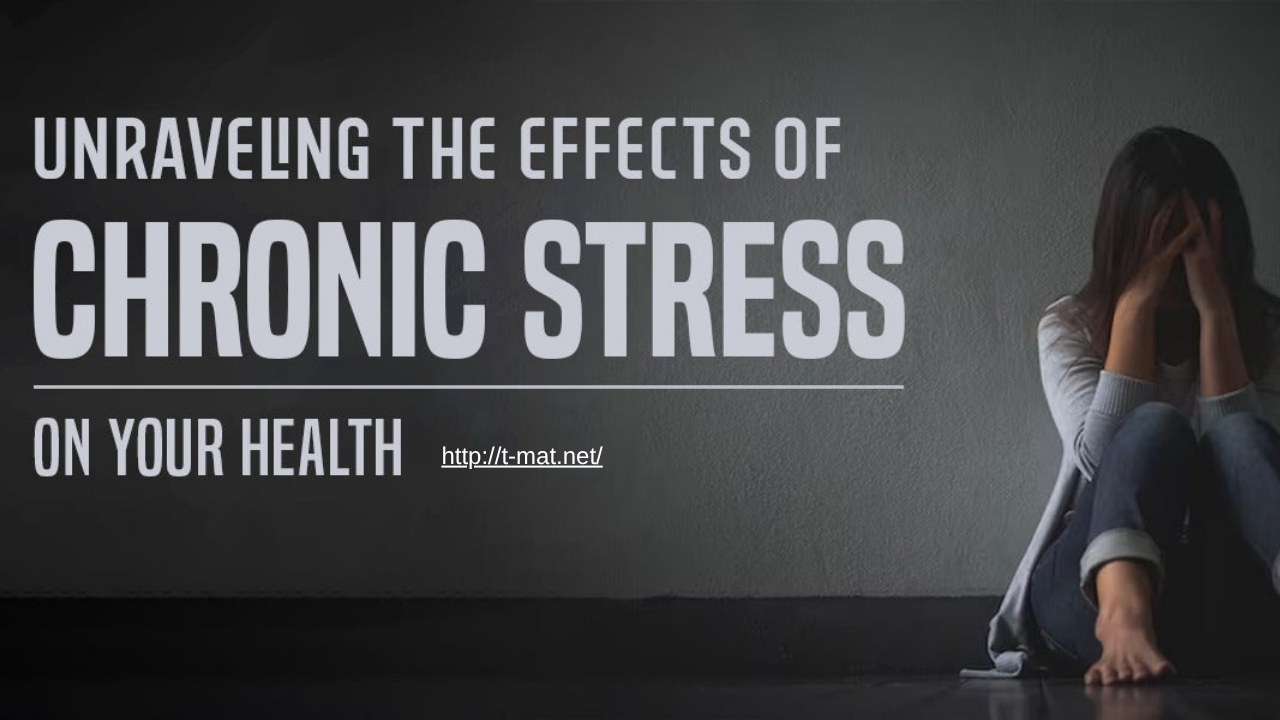 Recovery from addiction is a journey that requires focus, balance, and support. Yet one of the most overlooked threats to successful recovery is chronic stress. While some stress is normal, persistent stress can interfere with both mental and physical healing. For individuals undergoing mental health treatment during recovery, chronic stress is more than an inconvenience—it can undermine progress, intensify emotional challenges, and increase the risk of relapse. Understanding how stress affects the recovery process is essential for protecting both your health and your sobriety.
 Recovery from addiction is a journey of rebuilding—physically, emotionally, and spiritually. Yet one of the most underestimated challenges along this path is stress. While stress is a normal part of life, for those in recovery, it can quietly threaten progress, trigger cravings, and even lead to relapse if not properly managed. Understanding how stress affects the body and mind is key to protecting your hard-earned stability and maintaining long-term wellness.