
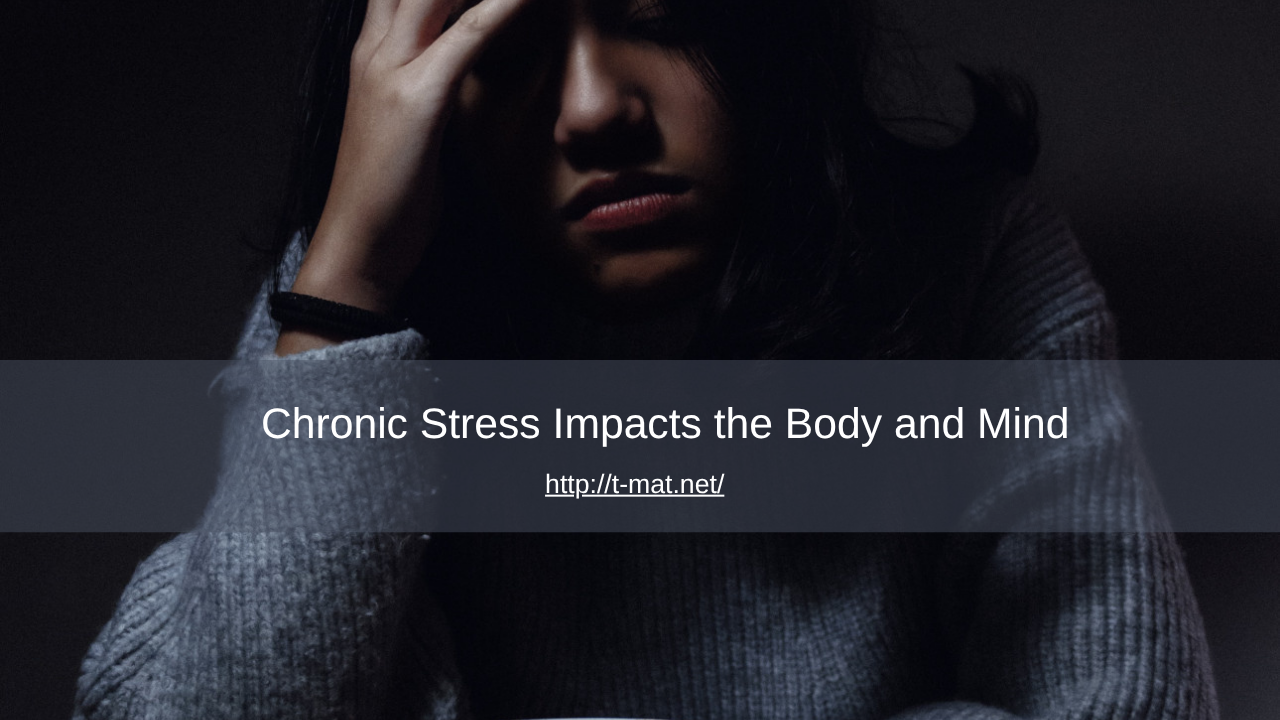
 Recovery from addiction is a journey of rebuilding—physically, emotionally, and spiritually. Yet one of the most underestimated challenges along this path is stress. While stress is a normal part of life, for those in recovery, it can quietly threaten progress, trigger cravings, and even lead to relapse if not properly managed. Understanding how stress affects the body and mind is key to protecting your hard-earned stability and maintaining long-term wellness.
How Stress Affects the Recovery Process
Stress impacts nearly every system in the body. It increases heart rate, raises blood pressure, and releases hormones like cortisol and adrenaline that prepare the body to react. In moderation, these responses help you stay alert and focused. But when stress becomes chronic, it can disrupt sleep, digestion, and emotional balance—creating the same internal tension that often fueled substance use in the first place.
For individuals in recovery, chronic stress can weaken coping skills and make it harder to stay centered. It can heighten anxiety, trigger depressive thoughts, and intensify emotional pain. When these feelings are left unchecked, the brain’s reward system may start craving old coping mechanisms, including alcohol or drugs. Recognizing these patterns early can prevent setbacks and help sustain recovery.
The Mind-Body Connection: Why Stress Feels So Powerful
Addiction recovery is not just about breaking free from substances. It’s about healing the brain and body connection that was disrupted during active addiction. Stress interferes with this process by keeping the body in a state of high alert. Elevated cortisol levels over time can slow healing, weaken the immune system, and make emotional regulation more difficult.
At T-MAT, we understand that recovery involves more than just detox or therapy. It’s about restoring balance to the whole person. Our holistic and faith-based approach supports the mind, body, and spirit, allowing clients to manage stress in healthier, more sustainable ways. Through mindfulness, therapy, physical wellness, and spiritual growth, clients can rebuild resilience and strengthen their emotional foundation.
Recognizing Early Signs of Stress in Recovery
Early intervention is one of the best ways to prevent stress from derailing recovery. Be mindful of these common warning signs:
-
Frequent headaches or muscle tension
-
Difficulty sleeping or vivid dreams
-
Sudden mood swings or irritability
-
Cravings or intrusive thoughts about substance use
-
Feeling disconnected or overwhelmed
-
Fatigue, brain fog, or loss of motivation
Acknowledging these signs does not mean failure—it means awareness. By recognizing stress early, you can take proactive steps to address it before it takes hold.
Practical Ways to Manage Stress During Recovery
At T-MAT, we encourage clients to approach stress management with compassion and structure. A few proven techniques include:
-
Mindfulness and prayer: Quiet reflection helps calm the nervous system and foster inner peace.
-
Therapeutic support: Working with licensed counselors helps individuals process emotions in a healthy way.
-
Physical movement: Regular exercise, even light walking or yoga, reduces cortisol and boosts mood.
-
Healthy connection: Building a supportive community—through peers, mentors, or faith-based groups—can lessen emotional burdens.
These strategies are not one-size-fits-all. Our individualized care plans ensure that every person’s journey is tailored to their unique needs, lifestyle, and faith background.
Healing Beyond Stress
Recovery is not only about staying sober—it is about learning to live fully and peacefully. Stress will always be a part of life, but it does not have to control your path. With the right tools, support, and mindset, you can face challenges with confidence and continue building a life rooted in health and hope.
If you or someone you love is struggling with stress during addiction recovery, T-MAT is here to help. Our compassionate team offers holistic and faith-based programs that address the emotional, physical, and spiritual sides of healing. Reach out today to begin your journey toward lasting peace and recovery.