
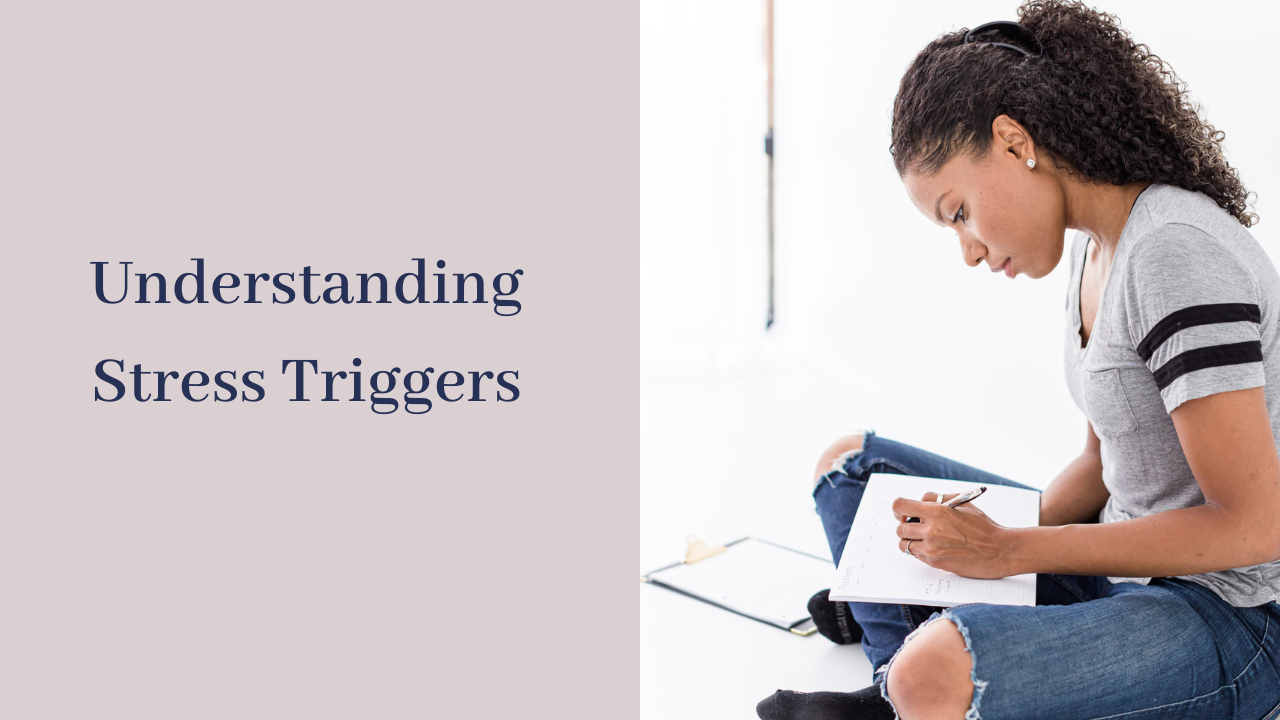
 Recovery from addiction is a deeply personal journey that requires awareness, support, and consistent effort. One of the most important parts of maintaining long-term sobriety is understanding stress triggers. These triggers can quietly influence thoughts, emotions, and behaviors, often leading to cravings or relapse if they are not recognized and managed. By learning how stress triggers work and how to respond to them effectively, individuals can protect their recovery journey and build a stronger foundation for lasting healing.
What Are Stress Triggers in Recovery
Stress triggers are internal or external cues that create emotional or physical stress responses. In addiction recovery, these triggers can activate memories, emotions, or environments linked to past substance use. When this happens, the brain may attempt to return to familiar coping mechanisms, which can increase the risk of relapse.
Common Types of Stress Triggers
Stress triggers vary from person to person, but they often fall into several categories:
- Emotional triggers such as anxiety, sadness, anger, or loneliness
- Environmental triggers like certain places, people, or social situations
- Situational triggers including work pressure, financial stress, or conflict
- Internal triggers such as negative thoughts, self-doubt, or fatigue
Understanding these categories helps individuals identify patterns and prepare for situations that may challenge their recovery.
Why Triggers Feel So Powerful
Triggers are powerful because they are connected to memory and emotion. The brain associates certain experiences with relief or escape, especially if substances were previously used to cope. When a trigger appears, the emotional response can feel immediate and overwhelming, making awareness and preparation essential.
The Connection Between Stress and Triggers
Stress plays a major role in activating triggers. When stress levels rise, emotional regulation becomes more difficult, and cravings may become stronger. Even small daily stressors can accumulate and create a heightened state of vulnerability.
At t-mat.net, addiction recovery services recognize the importance of addressing stress as part of comprehensive treatment. Through inpatient and outpatient care, individuals receive support that focuses not only on sobriety but also on emotional resilience and mental health stability.
How Mental Health Influences Stress Responses
Many individuals in recovery also experience mental health challenges such as anxiety, depression, or trauma. These conditions can intensify stress responses and make triggers more difficult to manage. Integrated mental health treatment helps individuals understand these connections and develop healthier coping strategies.
How to Protect Your Recovery Journey
Protecting recovery from stress triggers requires both awareness and practical action. With the right support and strategies, individuals can reduce the impact of triggers and maintain stability.
Build Awareness Through Self Reflection
Identifying triggers is the first step toward managing them. Journaling, therapy, and self reflection help individuals recognize patterns and understand what situations or emotions increase stress.
Develop Healthy Coping Skills
Replacing old coping behaviors with healthier alternatives is essential. Techniques such as deep breathing, mindfulness, exercise, and grounding exercises can reduce stress and create emotional balance.
Strengthen Your Support System
Recovery is not meant to be done alone. Support from counselors, peer groups, family members, and faith communities provides encouragement and accountability during difficult moments.
Establish Structure and Routine
A consistent daily routine helps reduce uncertainty and stress. Regular sleep, balanced meals, physical activity, and scheduled recovery activities create stability and support emotional regulation.
Engage in Holistic and Faith Based Practices
Holistic approaches such as meditation, yoga, and spiritual reflection support overall well-being. Faith based support can also provide meaning, hope, and a sense of connection that strengthens recovery.
Building Long Term Resilience
Resilience is the ability to adapt to stress without returning to harmful behaviors. In recovery, resilience grows through practice, support, and self awareness. Each time an individual successfully manages a trigger, their confidence and emotional strength increase.
Over time, stress triggers become less overwhelming as new coping skills replace old habits. This transformation is a key part of sustainable recovery and personal growth.
Moving Forward With Confidence
Understanding stress triggers is not about avoiding life’s challenges. It is about learning how to respond to them in healthy and constructive ways. With awareness, support, and effective treatment, individuals can protect their recovery journey and continue moving forward with confidence.
If you or someone you love is struggling with addiction or managing stress in recovery, professional support can make a meaningful difference. Contact t-mat.net to learn more about their personalized addiction recovery services, mental health treatment, and holistic care options. With compassionate guidance and individualized support, you can build the strength needed to protect your recovery and create a healthier future.